Shoe Embroidery Design
First Impressions of Shoe
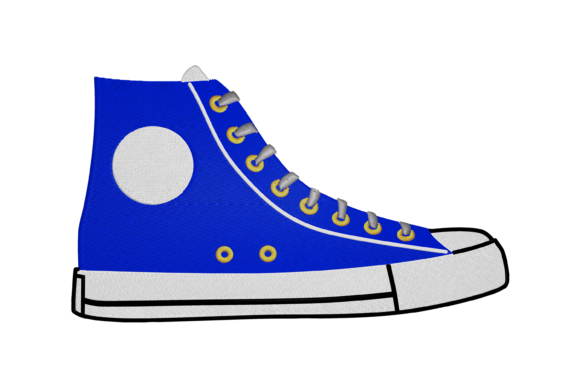
The Shoe embroidery design makes a strong first impression with its clean lines and minimalist aesthetic. It’s a machine embroidery design that feels approachable yet stylish, making it versatile for a wide range of projects. The shoe is rendered in a way that emphasizes simplicity without sacrificing detail. Its satin stitch and fill stitch work together to create a smooth, cohesive look that can easily blend into both casual and more refined settings.
The visual mood of Shoe is friendly and approachable, which makes it ideal for personal or commercial use. Whether you're looking to add a touch of whimsy to a baby blanket or a subtle brand logo to a tote bag, this design offers the right balance of charm and professionalism. The lack of overly intricate details means it doesn’t overwhelm the fabric, allowing the embroidered patch or sweatshirt embroidery to stand out naturally.
Practical Use in Real Projects
As an experienced designer, I’ve used Shoe on several real-world projects, including custom apparel, tote bags, and handmade gifts. One standout application was on a custom apparel order for a boutique client. The design worked beautifully on a black t-shirt, where the thread contrast made the shoe pop. It also held up well when applied to a white hoodie, offering a fresh and modern look.
Shoe performs well on a variety of fabrics, from light cottons to darker denim. However, it's important to consider the stitch density and hoop size when working with different materials. For example, using a smaller hoop on stretchy fabrics like knit sweaters requires careful placement to avoid distortion. Testing the design on a scrap piece of fabric before full production is always recommended, especially when working with digital embroidery files that may have varying levels of complexity.
When it comes to commercial embroidery, Shoe is a great choice for creating consistent, high-quality products. It lends itself well to printable mockup creation, allowing designers to visualize how the final product will look on different items. This is particularly useful for Etsy sellers and small business owners who need to present their offerings in an appealing way to potential buyers.
Considerations for Different Fabric Types
The Shoe design is relatively forgiving when it comes to fabric type, but there are a few key considerations. On dark fabrics, it’s crucial to choose thread colors that provide enough contrast to make the design visible. Light-colored threads on dark backgrounds can result in a washed-out look, so always test your color choices before proceeding with a full project.
For textured or layered fabrics, such as quilting cotton or felt, the stabilizer becomes even more important. A good stabilizer helps maintain the shape of the design and prevents puckering, especially on items like kitchen towels or nursery decor that may be subject to frequent washing. Additionally, using a design asset that includes clear instructions on hoop size and stitch density can save time and reduce errors during the embroidery process.
Impact on Product Value and Branding
Using Shoe in your projects can significantly enhance the perceived value of your handmade products. Its simple yet elegant design appeals to a broad audience, making it suitable for both personalized gifts and branded merchandise. When used consistently across multiple items, such as aprons or caps, it helps build brand recognition and trust with customers.
From a customer engagement perspective, Shoe offers a unique opportunity to create memorable, handcrafted items. Whether it's a personalized gift or a custom apparel piece, the design adds a thoughtful touch that resonates with buyers. This is especially valuable for crafters and creative entrepreneurs looking to stand out in competitive markets.
Embroidery Tips for Success
To ensure the best results when using Shoe, follow these practical tips:
- Always test the design on a scrap piece of fabric to check stitch density and thread color contrast.
- Confirm the hoop size and machine compatibility before starting your project.
- Use proper stabilizer to prevent fabric distortion, especially on stretchy or layered materials.
- Inspect small details after stitching to ensure all elements of the design are intact.
- Review the design assets and licensing information on the Creative Fabrica product page before selling finished items.
By following these steps, you’ll be able to maximize the potential of Shoe while maintaining the quality and consistency expected by your customers.