Interlocking Gears
A Mechanical Muse for Embroidery Designers
As an experienced embroidery designer, I’ve encountered countless machine embroidery designs over the years. Some are stunning, others are functional, and a few fall somewhere in between. Interlocking Gears stands out as a design that blends technical precision with artistic charm. It’s the kind of embroidery file that feels like it was made for a specific purpose—yet has the versatility to fit into a wide range of projects.
First Impressions: A Visual Statement
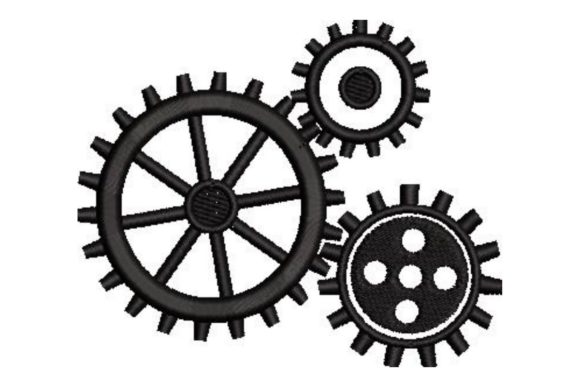
From the moment I saw Interlocking Gears, I was drawn to its clean lines and mechanical aesthetic. The design features two interlocking gears, rendered with a balance of detail and simplicity. It’s not overly complex, but there’s enough intricacy to make it visually engaging. The symmetry and repetition of the gear teeth create a sense of rhythm and order, which is both pleasing and professional.
The design carries a subtle industrial vibe, making it ideal for gifts or products targeting mechanics, engineers, or anyone who appreciates a touch of technical elegance. Its visual mood is calm yet confident, and it has a strong decorative appeal that can elevate even the most basic handmade product.
Real-World Use: From Tote Bags to Custom Apparel
Interlocking Gears is designed for use on t-shirts and other clothing items, but its potential goes far beyond. I’ve considered using it on tote bags, sweatshirts, aprons, baby blankets, kitchen towels, pillow covers, caps, patches, and even seasonal handmade gifts. Each of these applications offers unique challenges and opportunities.
For custom apparel, the design works well on light-colored fabrics where the contrast between thread color and background is clear. However, it also holds up nicely on darker fabrics when paired with the right thread colors. The gear teeth are detailed enough to show off satin stitch or fill stitch techniques, which can add depth and dimension to the finished product.
When considering small hoop sizes, the design is surprisingly adaptable. While some intricate patterns may require larger hoops, Interlocking Gears maintains its integrity across smaller hoops, making it suitable for a variety of embroidery machines and setups. This flexibility is a major plus for designers working with limited space or equipment.
Practical Considerations: What to Watch For
Before jumping into a real project, it’s important to consider how Interlocking Gears will perform under practical conditions. The design includes dense stitch areas, particularly around the gear teeth, which means careful attention to stitch density is necessary. Over-stitching can lead to puckering or distortion, especially on stretchy or textured fabrics.
Using the right stabilizer is crucial for maintaining fabric integrity, especially when working with materials like denim, cotton, or even delicate fabrics like linen. Testing the design on scrap fabric first is always a good idea, as it allows you to see how the threads interact with the fabric and adjust your approach accordingly.
Additionally, the design includes small details that might be overlooked during initial review. After stitching, it’s essential to inspect the finished product closely to ensure all elements are properly rendered. This is especially true for layered details and curved surfaces, such as those found on caps or hats.
Enhancing Product Value and Brand Consistency
Interlocking Gears can significantly enhance the value of a handmade product. Its mechanical theme appeals to a niche audience, adding a layer of personality and meaning to each item. Whether used as a personalized gift or a custom apparel piece, the design contributes to a cohesive brand identity that resonates with customers looking for thoughtful, handcrafted items.
From a marketing perspective, the design is highly photographable. Its clean lines and geometric structure make it ideal for product photography, especially when paired with minimalist backgrounds. This can help boost customer engagement and trust, as high-quality visuals play a key role in online sales and brand presentation.
When creating Etsy listings or boutique merchandise, Interlocking Gears offers a versatile design asset that can be adapted to different styles and themes. It’s a great choice for seasonal gifts, especially during STEM-themed events or holidays that celebrate innovation and craftsmanship.
Embroidery Notes for Success
To ensure the best results with Interlocking Gears, follow these practical tips:
- Test on scrap fabric: Always run a test before committing to a final product.
- Check thread color contrast: Ensure the chosen thread complements the fabric color for maximum visibility.
- Review stitch density: Adjust settings if needed to prevent puckering or distortion.
- Confirm hoop size: Choose a hoop that fits the design without stretching or distorting the stitches.
- Compare light and dark fabric mockups: See how the design looks in different lighting conditions.
- Use proper stabilizer: Protect the fabric during stitching, especially on stretchy or textured materials.
- Inspect small details after stitching: Ensure all elements are clearly visible and properly stitched.
- Confirm file details and licensing: Always verify the terms of use on the Creative Fabrica product page before selling finished items.
Interlocking Gears is more than just an embroidery file—it’s a design that speaks to both function and form. Whether you’re crafting a custom apparel piece, a handmade gift, or a commercial embroidery product, this design has the potential to elevate your work and impress your customers.